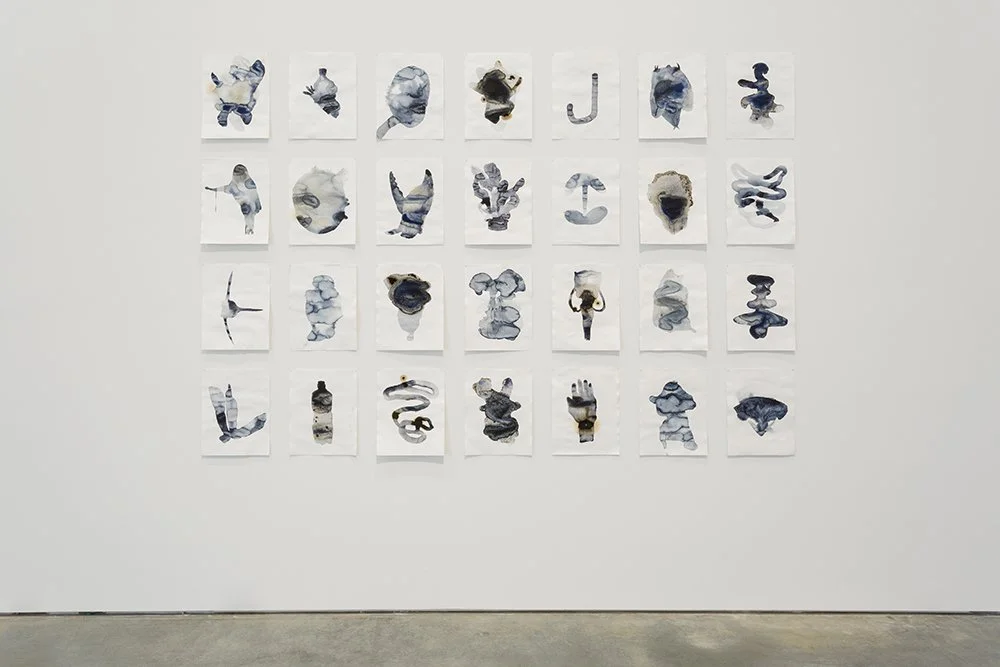
Language for the wrack zone, 2017-2018
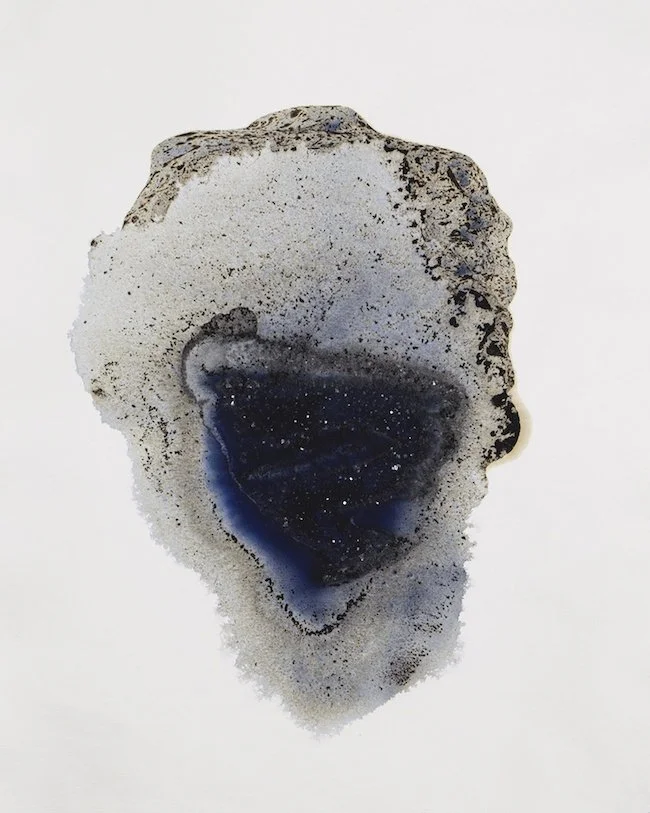
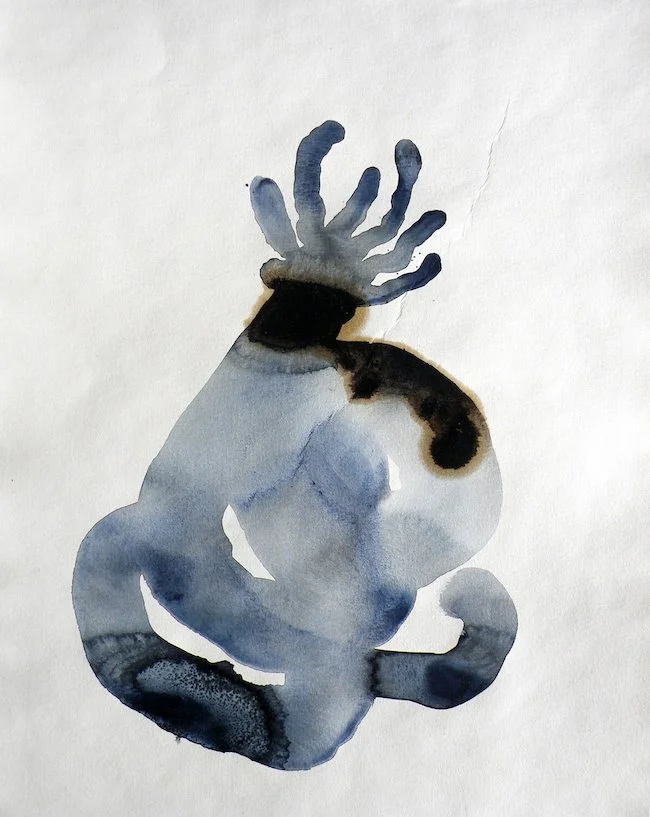
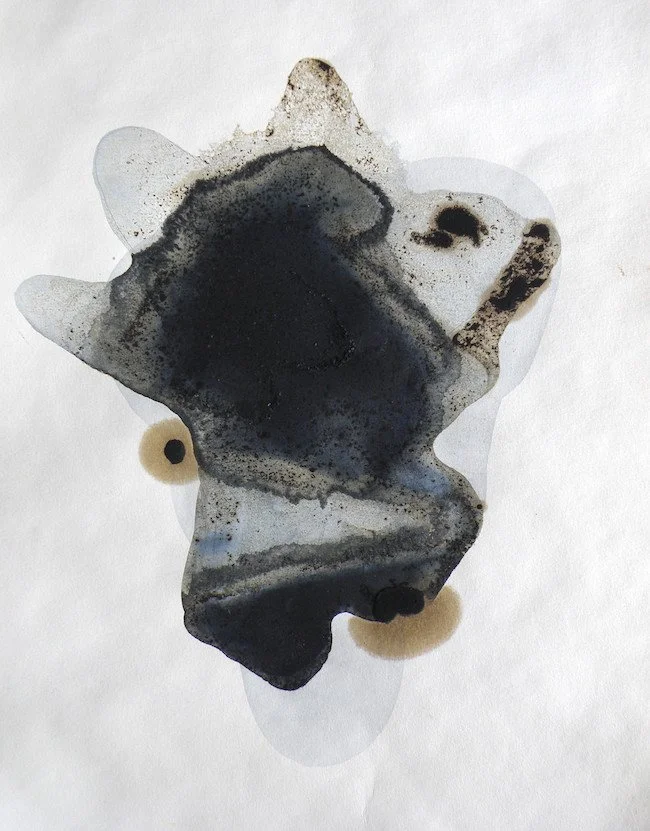
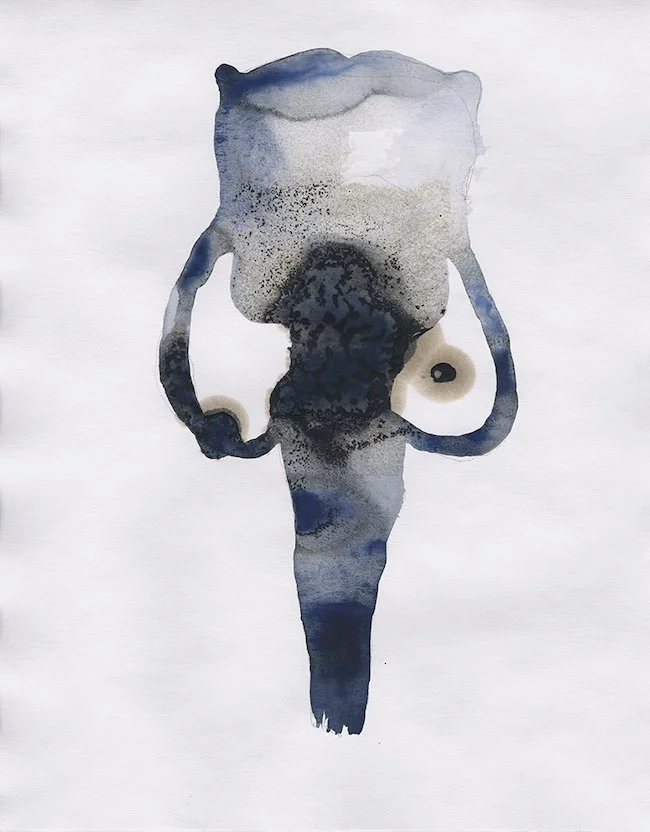
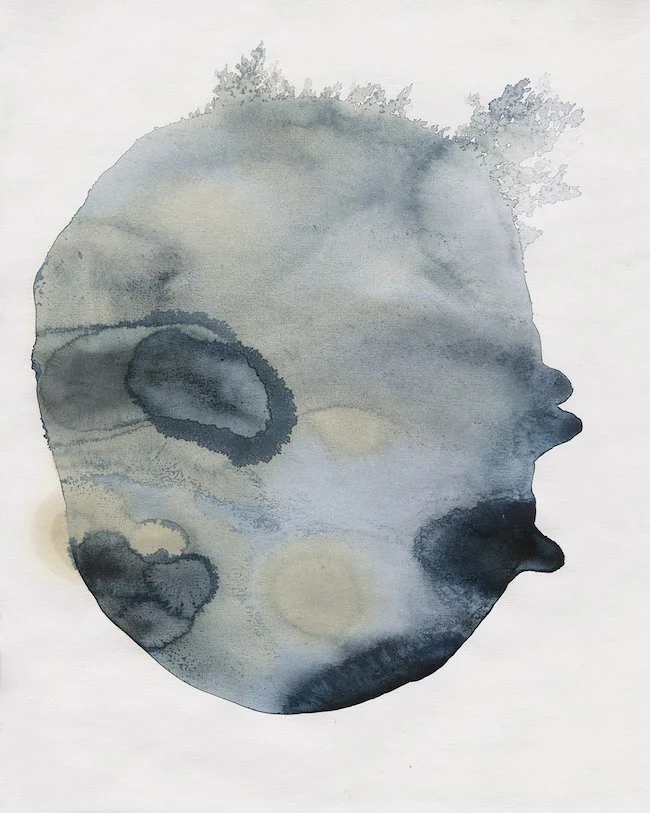
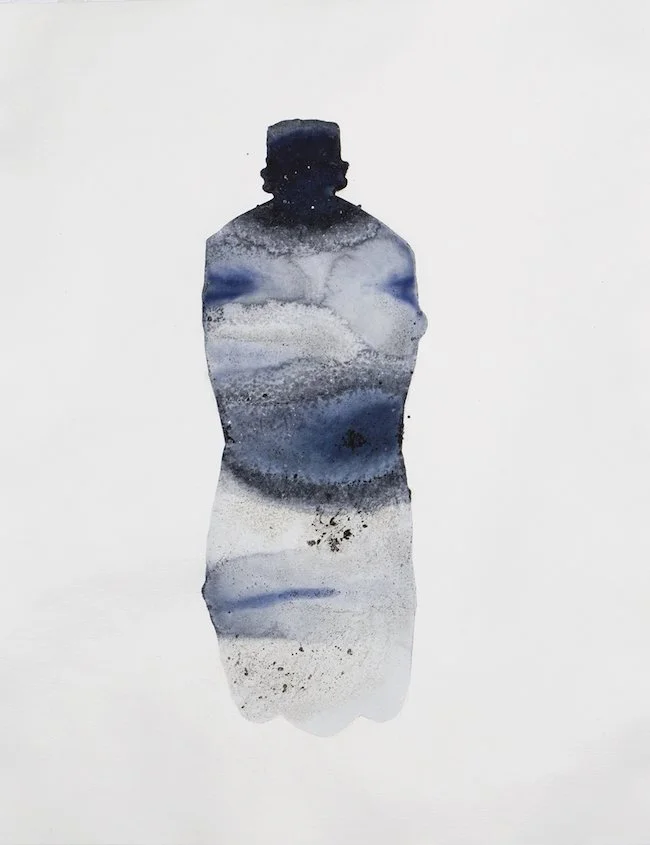
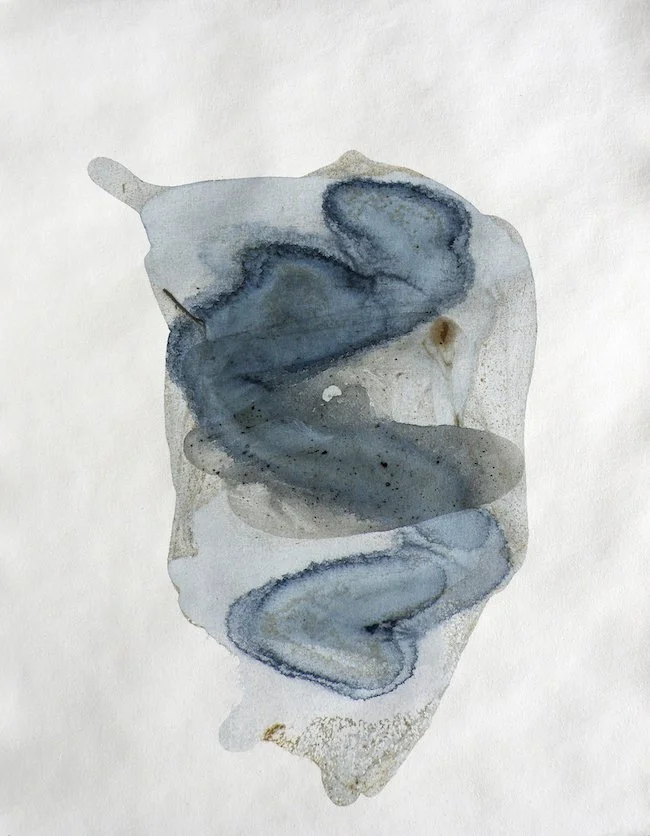
This series explores the wrack zone as both a life-sustaining place of biodiversity and a site were material remains of global trade wash up, changed through extreme marine conditions. Produced using seawater, crude bitumen, marine engine oil and gouache, these drawings mimic - on a small scale - the toxic chemical reactions that take place when oil spills into seawater.
This work was exhibited widely and featured in a publication at the Centre For Alterity Studies, available as a pdf here. It was also included in the 2022 Orange County Museum Symposium Seachange: Transformative Currents for Action in the Pacific Ocean.

Whale Vertebrae, bitumen, coal, seawater and gouache on paper, 30 x 44”, 2017
Photo: Blaine Campbell

Sea Lettuce (Ulva), bitumen, coal, seawater and gouache on paper, 30 x 44”, 2017
Photo: Blaine Campbell

Seaweed (Unidentified), bitumen, coal, seawater and gouache on paper, 30 x 44”, 2017
Photo: Blaine Campbell

Stingray, bitumen, coal, seawater and gouache on paper, 30 x 44”, 2017
Photo: Blaine Campbell
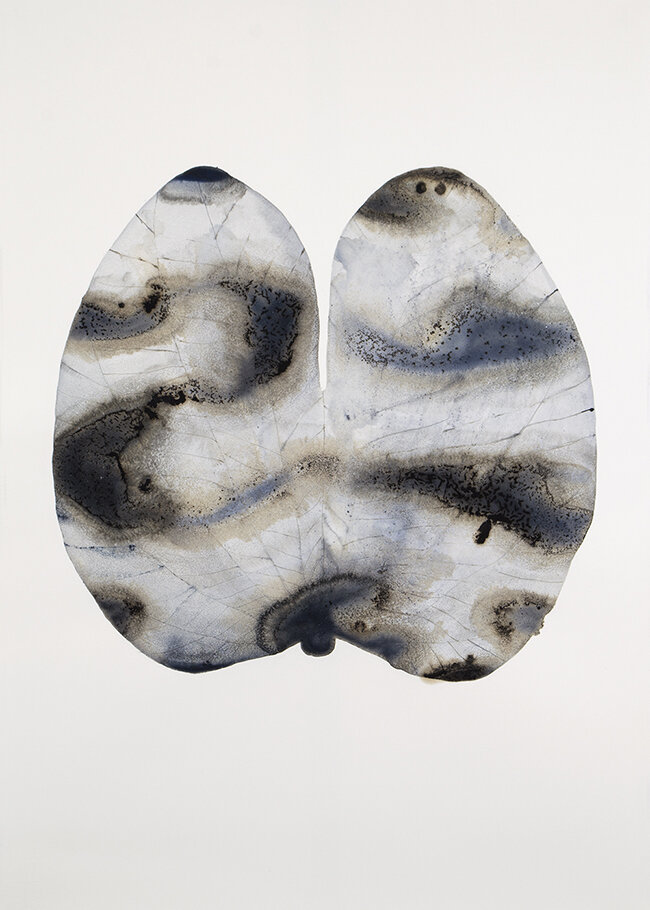
Bladderwrack, bitumen, coal, seawater and gouache on paper, 30 x 44”, 2017
Photo: Blaine Campbell

Installation view | Landfall and Departure: Epilogue (Listening to the Sea) | Nanaimo Art Gallery, Nanaimo BC | 2018

Installation view | Landfall and Departure: Epilogue (Listening to the Sea) | Nanaimo Art Gallery, Nanaimo BC | 2018

Cormorant, bitumen, seawater and gouache on paper, 22.5 x 30”, 2019
Photo: Kelly James

Sugar Wrack, bitumen, seawater and gouache on paper, 22.5 x 30”, 2019
Photo: Blaine Campbell

Sympoiesis, bitumen, seawater and gouache on paper, 22.5 x 30”, 2019
Photo: Blaine Campbell

Sympoiesis (Filinia), bitumen, seawater and gouache on paper, 22.5 x 30”, 2019
Photo: Blaine Campbell

Sandal, bitumen, seawater and gouache on paper, 22.5 x 30”, 2019
Photo: Blaine Campbell

Seaworm Case, bitumen, marine engine oil, seawater and gouache on paper, 22.5 x 30”, 2019
Photo: Blaine Campbell
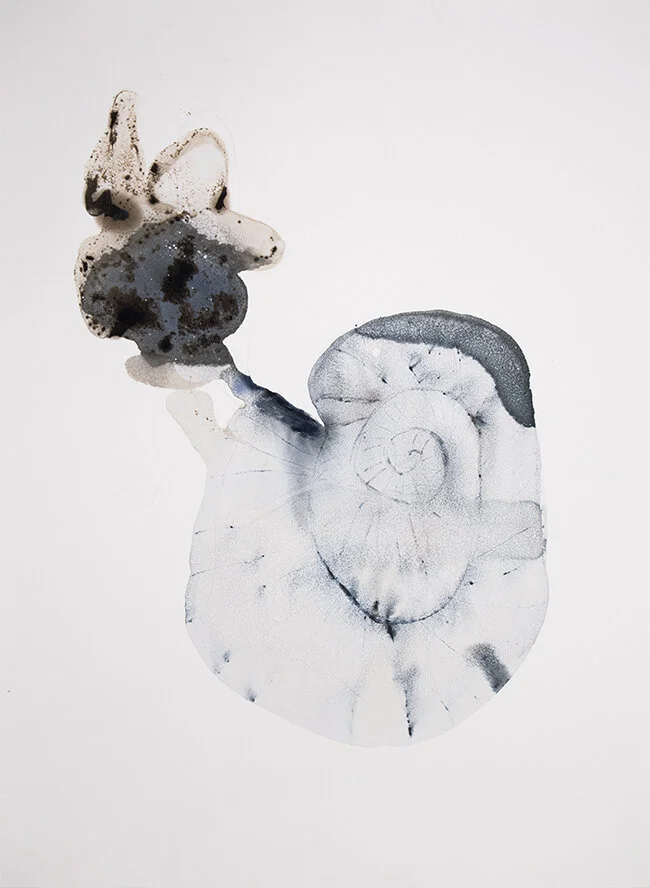
Hermit Crab Shell, bitumen, seawater and gouache on paper, 22.5 x 30”, 2019
Photo: Blaine Campbell

Flatfish, bitumen, seawater and gouache on paper, 22.5 x 30”, 2019
Photo: Blaine Campbell

Skipping Rope, bitumen, seawater and gouache on paper, 22.5 x 30”, 2019
Photo: Kelly James

Bull Kelp, bitumen, seawater and gouache on paper, 22.5 x 30”, 2019
Photo: Blaine Campbell
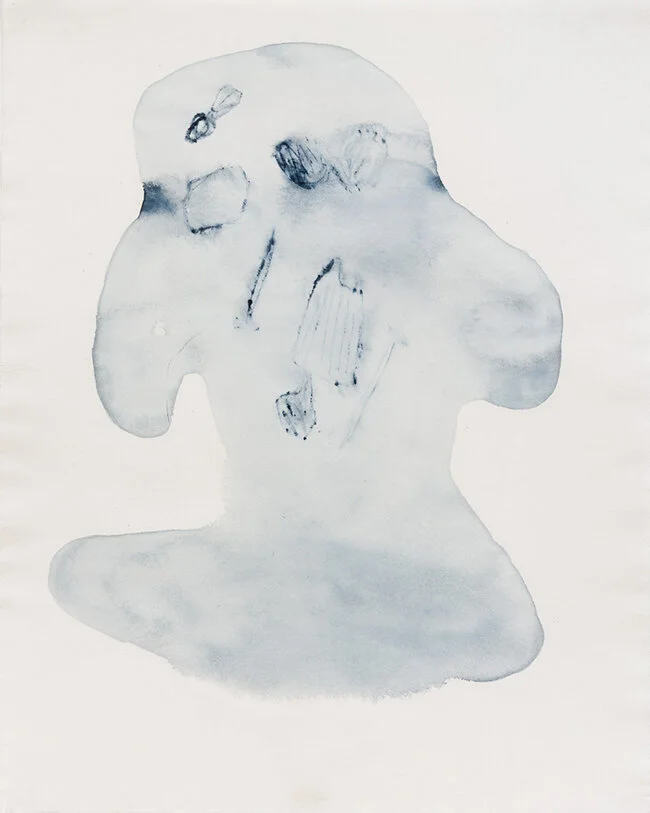
Fish Stomach (Ghost), Seawater and gouache on paper, 18 x 24”, 2017
Photo: Blaine Campbell

Plastic Bottles, Seawater and gouache on paper, 18 x 24”, 2017
Photo: Blaine Campbell

Seaweed (unidentified), seawater and gouache on paper, 18 x 24”, 2017
Photo: Blaine Campbell

Fish Heart, Seawater and gouache on paper, 18 x 24”, 2017
Photo: Blaine Campbell